

Our Testing Capabilities
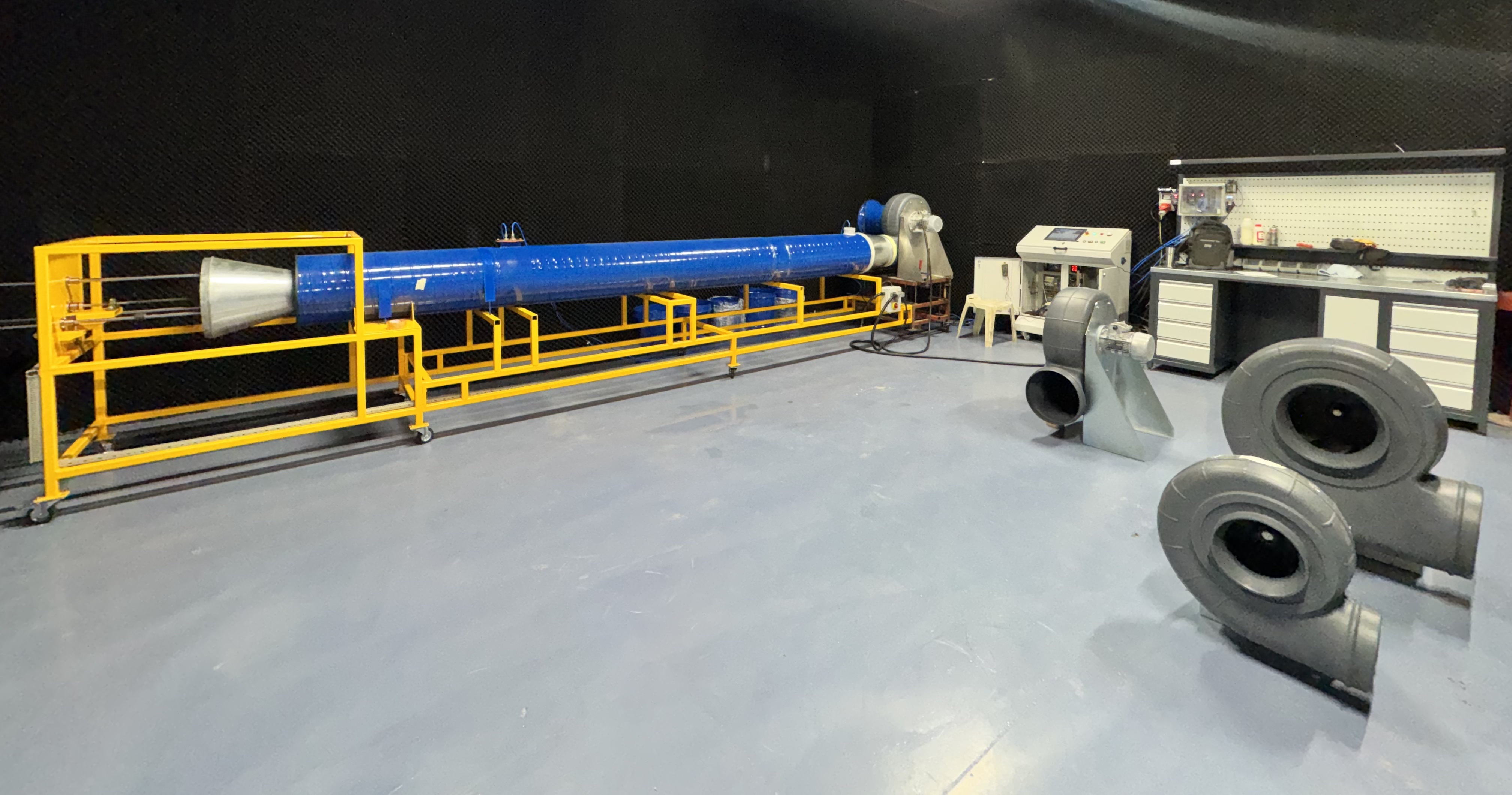
Before anything else, we must believe in the product we manufacture—because the products we produce carry a significant responsibility. The results generated by our configurator software are validated against real test data, achieving up to 99.8% accuracy and consistency, and are fully documented. You can rely on both our products and our datasheets with confidence. All of the following tests are performed within our facility.
-
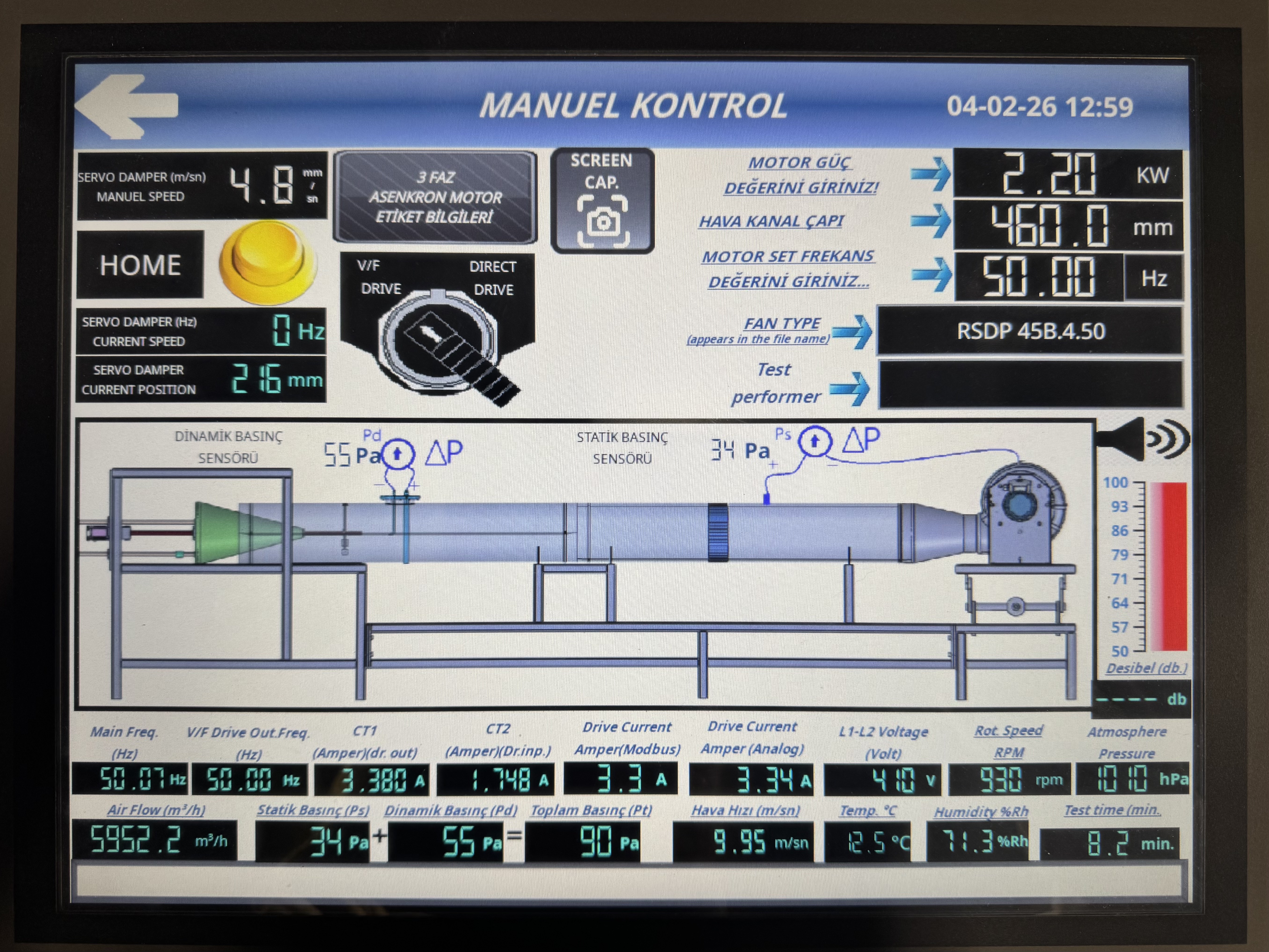
Fan Performance Testing in accordance with AMCA 210-07 & ISO 5801 Standards
-
Compliance Testing in accordance with EN 60335-1, EN 60335-2-80, EN 60204-1, and CE Standards
-
Mechanical Impact Testing
-
Electrostatic Charge Accumulation and Discharge Testing
-
Chemical Fatigue Testing
-
ATEX Product Compliance Testing
-
Compliance with UL 94 V-0, IEC 60695, and ISO 5659-2 Standards
-
Static and dynamic balancing tests in accordance with ISO 21940-11, minimum grade G6.3
-
Engineering Polymers Raw Material Configuration Laboratory
-
Vibration Testing During Operation
-
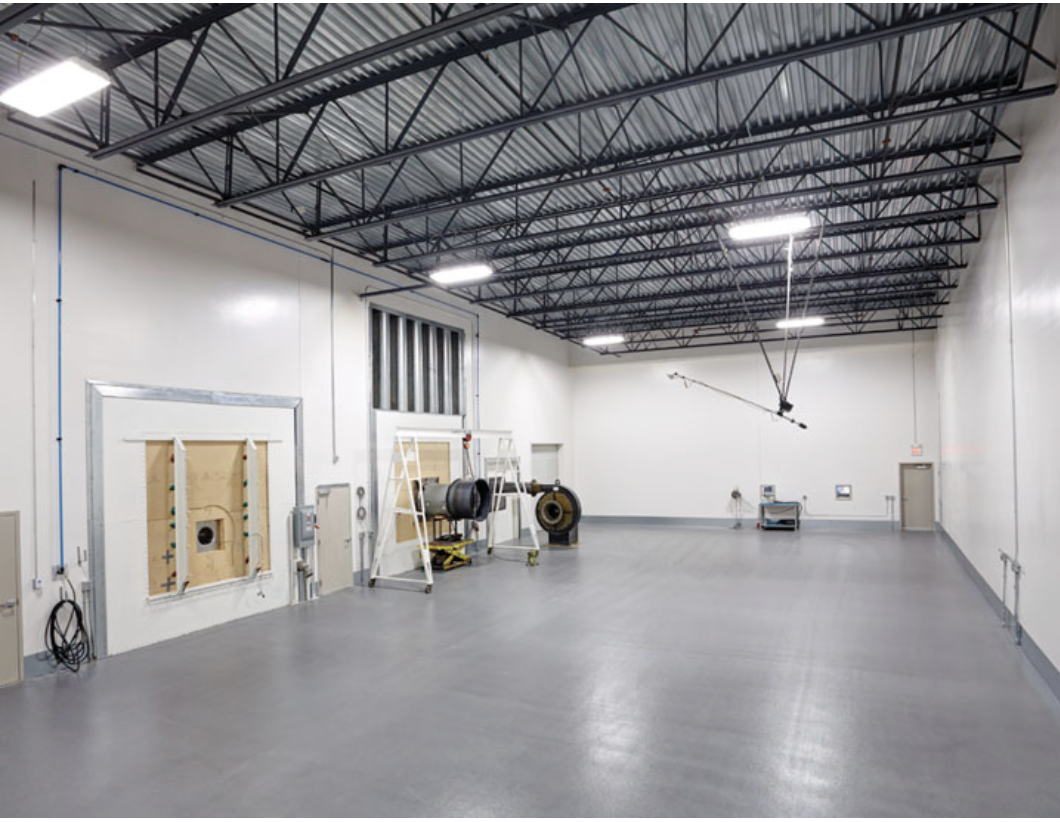
Sound Level Testing in a Quiet Room with Type 1 Class Measurement
Would you like to witness the live performance testing of your product?
Come and witness the results of this integrated manufacturing approach. Let us test your product together under real operating conditions, in full accordance with engineering principles.
Frequently Asked Questions
The AMCA 210-07 test defines a laboratory test performed to measure the aerodynamic performance of a fan in a standardized and comparable manner. The same standard is technically equivalent to ISO 5801. Pressure Values (Static Pressure, Total Pressure, Dynamic Pressure) Fan Efficiency (Static Efficiency, Total Efficiency) Based on the instantaneous power consumption of the fan (Pwe), fan characteristic curves are generated. It is a performance test that proves how much air the fan actually delivers, at which pressure, with how many kW, and at what efficiency it operates.
EC / EN 60335-1 tests define the safety requirements for electrical devices used in industrial and similar applications, including fans. These tests aim to ensure that the fan operates safely under normal and fault conditions, protecting both users and equipment. They cover aspects such as electrical safety, insulation, leakage current, temperature rise, mechanical strength, and protection against electric shock. In essence, these tests verify that the fan complies with international electrical safety standards and can be used reliably without posing any hazard.
EN 60335-2-80 tests define the specific safety requirements for electric fans used in industrial and similar applications. These tests aim to ensure that fans operate safely under normal operating conditions, with a focus on mechanical safety, protection against contact with moving parts, structural integrity, and safe operation during continuous use. In essence, these tests verify that the fan is safe, reliable, and compliant with international safety standards.
EN 60204-1 and EN ISO 13857 standards evaluate the electrical and mechanical safety requirements of fans used in industrial applications. EN 60204-1 focuses on electrical equipment safety of machines, including control systems, wiring, grounding, protection against electrical faults, and safe operation. EN ISO 13857 defines the safety distances to prevent access to hazardous areas, ensuring protection against contact with moving parts such as rotating impellers. In essence, these standards ensure that the fan operates safely, reliably, and in full compliance with international machinery safety requirements.
UL 94 V-0, IEC 60695 (Glow Wire), and ISO 5659-2 (Smoke & Gas) standards define the fire behavior and reaction characteristics of materials used in fans. UL 94 V-0 evaluates the flammability performance of plastic materials, ensuring that they self-extinguish quickly without dripping flaming particles. IEC 60695 (Glow Wire) assesses the material’s resistance to ignition when exposed to high temperatures, simulating potential electrical overheating conditions. ISO 5659-2 measures the smoke density and toxic gas emission during combustion, evaluating the material’s behavior in fire scenarios. In essence, these standards ensure that the materials used in fans are flame-retardant, fire-resistant, and safe in case of fire exposure.
In ATEX compliance testing, Gurvent focuses on ensuring that all products operate safely and reliably in explosive atmospheres. Special attention is given to material selection, electrical conductivity, and antistatic properties, ensuring prevention of electrostatic charge accumulation. Critical parameters such as surface resistance, grounding continuity, and temperature limits are carefully analyzed and verified. In addition, potential ignition sources such as mechanical sparks, overheating, and electrical faults are evaluated and minimized. All components in contact with the process are selected and tested to ensure compliance with ATEX directives and long-term operational safety. In essence, our approach is based on eliminating risks at the design stage and validating safety through testing.